Injuries and mental health
An injury does not only stop the body
This page exists to support athletes going through an injury. It brings together medical and scientific information on how an injury affects mental health, it helps you understand what you may feel and think, and it offers strategies for anyone living through this process.
Starting point
How does an injury affect your mind?
Mind and body interact in a powerful way, and both shape a person's overall health. Emotions can affect bodily functions such as heart rate, sweating, sleep and digestion. Physical illness can affect psychological factors: depression has been found to be common in people living with chronic disease.
Among elite athletes, a relationship between mental health and injury has been observed. The prevalence of mental health symptoms is associated with injury risk and delays rehabilitation. Conversely, the number of injuries an athlete suffers also has a negative effect on their mental health.
Gil Caselles and Olmedilla Zafra (2024). Relationship between sports injuries and mental health in elite athletes: current state of the question. Archivos de Medicina del Deporte.
Psychological consequences
What you feel has a name
Sports injuries have a psychological impact. They do not only interrupt a physical routine, they also deeply affect emotional stability. If you recognise any of these, it happens to many people.
Frustration
At not being able to train or compete.
Feeling stuck
Everything keeps moving forward and you feel left behind.
Anxiety
From the fear of not getting your level back, or losing your place in the team.
Isolation
From being away from training and from teammates.
Loss of identity
For those who see sport as a central part of who they are.
Fear of re-injury
It shows up on the way back, and it can last longer than the injury itself.
Strategies
What you can do while you recover
Building strategies to keep a strong mind matters. You do not need to apply them all: start with one.
- 1Do not focus on what you cannot control
- 2Commit to your rehabilitation
- 3Rest and eat well
- 4Keep a good attitude
"Another very important strategy is helping them focus on what they can control. They may not be able to control how long the injury takes, but they can control following their rehabilitation, resting well, eating properly and keeping a good attitude." Sergio Ariel Villarroel Órdenes, sport psychologist.
Put it into words
Talking about the injury helps you let it out and hear other points of view.
Realistic goals
Break recovery into reachable goals so you can measure progress. Long term goals are split into smaller ones to keep motivation up.
Mindfulness and meditation
It helps you manage stress and accept the situation. It builds confidence, lowers anxiety and improves focus.
Positive visualisation
Studies show that picturing yourself meeting each goal and returning to your sport motivates you and prepares the brain for success. Do it somewhere calm and comfortable.
New skills
A hobby or a personal interest that does not depend on performance.
Keep a routine
The exercises you are allowed, rest and therapy, at steady times.
Sport psychologist
They give you stress management techniques and help redefine identity beyond performance.
According to the experts
Two conversations
A sport psychologist and a basketball player with a 27 year career, interviewed for this project.
Sergio Ariel Villarroel Órdenes
Sport psychologist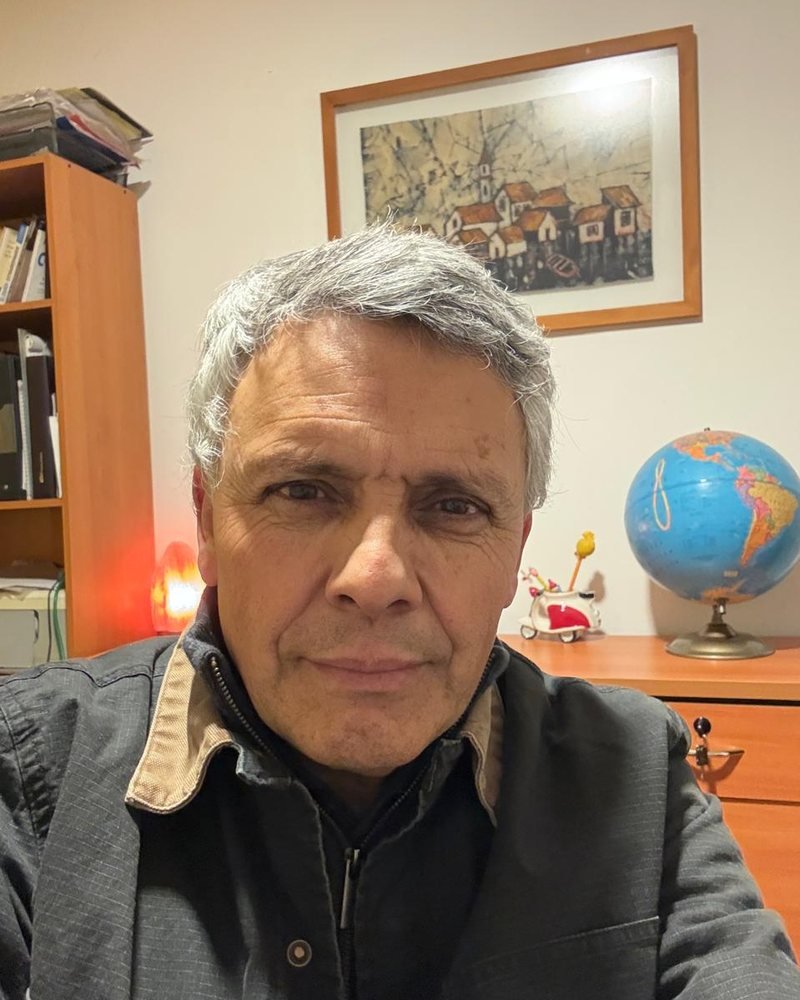
How can injuries affect an athlete's mental health?
An injury does not only affect the body, it can also affect how the athlete feels and thinks. Sadness, hopelessness, anger, frustration or worry can appear, above all because they cannot train or compete the way they used to.
For example, a footballer who gets injured right when they were playing well may think: "now I could lose my place", or "when I come back maybe I will not be the same". Those thoughts can affect their mood and their confidence.
What are the main psychological difficulties?
The most common ones are frustration, sadness, anger, anxiety and fear. Impatience can also appear, because the athlete wants to recover quickly. On top of that, they may feel a little alone or apart from the team, because their teammates keep training while they are recovering.
How does it affect motivation and confidence?
An injury can make an athlete temporarily lose confidence. They may start asking themselves: "am I going to play the way I did before?".
Motivation can drop too, especially when recovery takes a long time. That is why setting small goals matters. Every small step helps bring motivation and confidence back.
How does the fear of getting injured again come into play?
It is completely normal to feel fear when the athlete goes back to training. The problem appears when that fear makes them play too worried or too tense.
For example, a footballer who injured their knee may avoid a play, or go into a challenge for the ball afraid. That can make them play tighter and perform below their usual level. That is why recovery does not end only when the body is ready: the mind also has to feel safe again.
What strategies do you use to help an injured athlete?
The first thing is to talk about what is happening to them. Putting it into words is tool number one. Sharing what they feel openly, without judgement. Just expressing it already brings relief.
Another very important strategy is helping them focus on what they can control. They may not control how long the injury takes, but they do control following their rehabilitation, resting well, eating properly and keeping a good attitude.
And above all, listening to the athlete, giving them room to express anger, fear or frustration without feeling judged.
What do you recommend while they are recovering?
Above all, that they feel accompanied, that they have a team beside them. Making it clear that their job today is to recover. Being patient with the process and understanding that feeling frustrated or sad on some days is normal.
It is also important to stay connected with the team, to talk with people they trust, and not to compare themselves constantly with other athletes. And to try to see recovery as part of sport: an injury can be a hard stage, but it can also help you know yourself better and build mental strength.
Evandro Arteaga
Former professional basketball player, 27 year career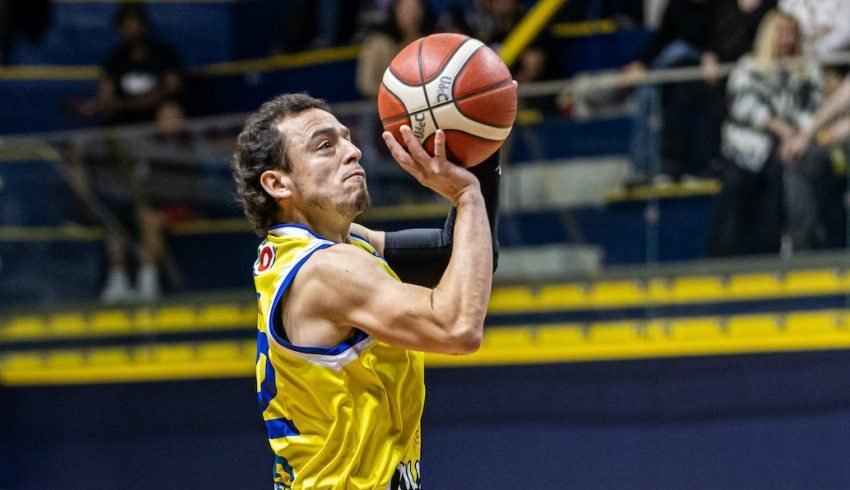
"At the start there is a lot of pain, and that hits you psychologically. You do not know what is going to happen, you do not know what you have: uncertainty."
When recovery drags on
"I had a groin injury that kept getting worse and I did not treat it well, to the point where it became grade three. I spent around six months fighting that injury. At one point I thought I would not come out of it. It also got to me that at the time Marcelo Rios was going through the same injury, and it pushed him into retirement. I had a bad time psychologically there, the anguish comes, you get a little depressed. But later, when you start to feel yourself recovering, your spirits go up."
The fear of going back on court
"You are never going to come back from an injury without pain, or you can come back the same and you can come back better. But there is a psychological thing you have to beat. When you go into that first game, you have to manage to lose the fear. However realistic you make training, it is never going to be as real as the game. Sometimes it takes one, two, three games to pick up the rhythm. Some take longer, some less, but getting past that psychological limit is really important."
The part played by family and teammates
"You drift a little from your teammates, because you are out of the day to day on court and you spend more time with the physio and the doctor. But the encouraging word is always there. Family matters too. When you build a family, with your wife and your daughters, it is support that comes from affection, from lifting your spirits, and it motivates you because I have to be well for them. It gives you some fuel and some perspective to keep going."
His advice to anyone having a hard time
"Take this as an obstacle, a challenge in your career. Athletes feed on challenges: training is a challenge, every game is a challenge. And when these injuries happen, that is a challenge too. You have to put all your energy into recovering. Good rest, good sleep, good food. Training is not only on the court: a high performance athlete lives every day as training."
If you are having a hard time, ask for help
This page informs and accompanies, but it does not diagnose and it does not replace care from a health professional. If symptoms last over time, or you feel you cannot do it alone, talk to a psychologist, to your doctor or to someone you trust. In Chile you can call Salud Responde, 600 360 7777, free, 24 hours a day.
References
Sources
- Clínica CRL. Psicología deportiva: cómo mantener bien la mente tras una lesión.
- Sports Health, on PubMed Central. How Mental Health Affects Injury Risk and Outcomes in Athletes.
- Gil-Caselles et al. (2024), Apunts Sports Medicine. Bidirectional relationship between mental health and sport injuries: a review of reviews.
- University of Utah Health.
- Revista de Salud Pública, vol. 24, no. 2, on SciELO Colombia.
- Gil Caselles and Olmedilla Zafra (2024), on Dialnet. Relación entre lesiones deportivas y salud mental en deportistas de élite: estado actual de la cuestión.
- Archivos de Medicina del Deporte. Abstract of the article by Gil Caselles and Olmedilla Zafra.
- MSD Manual, consumer version (Spanish). El cuerpo humano.